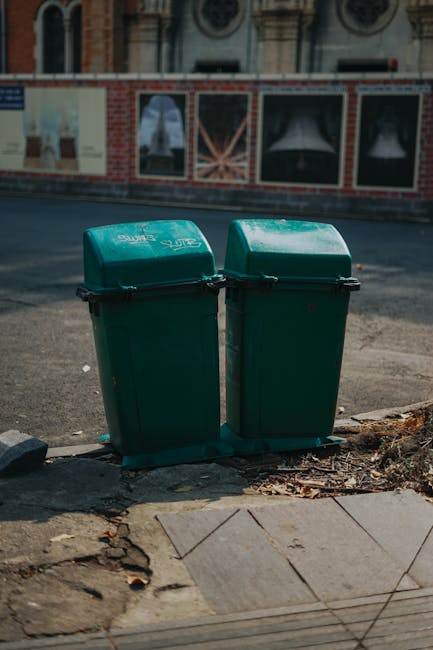
WC1 Recycling Points: Street-by-Street Map for Holborn
Finding the right recycling point in Holborn sounds simple until you are standing on a busy WC1 street with a bag of mixed waste, a deadline, and nowhere obvious to drop it. That is where a street-by-street understanding helps. This guide to WC1 Recycling Points: Street-by-Street Map for Holborn is designed to make local recycling feel less like guesswork and more like a clear plan.
Holborn is a dense part of central London: offices, flats, universities, shops, hospitality venues, and constant foot traffic all create different waste streams. Some items can go to a recycling bank, some need specialist handling, and some are better collected directly rather than carried around the neighbourhood. If you want a more practical route than trial and error, you are in the right place.
This article explains how recycling points are typically used across WC1, what to watch for street by street, how to avoid common mistakes, and when a structured clearance service may be the cleaner option. If your waste is mixed, bulky, or time-sensitive, services such as waste removal in Holborn or recycling and sustainability support can save a great deal of back-and-forth.
Table of Contents
- Why WC1 Recycling Points: Street-by-Street Map for Holborn Matters
- How WC1 Recycling Points: Street-by-Street Map for Holborn Works
- Key Benefits and Practical Advantages
- Who This Is For and When It Makes Sense
- Step-by-Step Guidance
- Expert Tips for Better Results
- Common Mistakes to Avoid
- Tools, Resources and Recommendations
- Law, Compliance, Standards, or Best Practice
- Options, Methods, or Comparison Table
- Case Study or Real-World Example
- Practical Checklist
- Conclusion
- Frequently Asked Questions
Why WC1 Recycling Points: Street-by-Street Map for Holborn Matters
Holborn does not behave like a quiet residential suburb. Streets here can change character within a few minutes' walk: a side road may host office entrances and service yards, while the next block is heavy with cafes, student accommodation, or mixed-use buildings. That matters because recycling access is rarely one-size-fits-all.
A street-by-street approach helps you think in terms of where waste is generated, what type of waste it is, and how far you can reasonably carry it. A resident on a top floor walk-up may have very different needs from an office manager on High Holborn or a shop operator near Great Queen Street. In practice, the question is not simply "Where is the nearest bin?" but "Which disposal route is sensible for this material, on this street, at this time?"
That framing is valuable for three reasons. First, it reduces contamination in recycling streams. Second, it helps you avoid wasted journeys with items that are not accepted at local points. Third, it keeps your premises tidier and safer, especially where shared bins, narrow pavements, or heavy foot traffic make improvised dumping a bad idea. Truth be told, the nearest option is not always the best option.
This matters even more in WC1 because the area includes high-pressure environments such as offices, managed buildings, and busy residential blocks. A practical recycling plan supports day-to-day operations, whether you are clearing packaging after a delivery, dealing with old office furniture, or organising a flat clearance. For larger mixed loads, office clearance services and flat clearance support often fit the reality better than repeated trips to local points.
How WC1 Recycling Points: Street-by-Street Map for Holborn Works
The idea behind a street-by-street map is straightforward: instead of treating Holborn as one broad zone, you break it into practical micro-areas and match waste types to the most realistic disposal route.
In a typical WC1 setting, that means looking at:
- Residential streets with shared bins, limited kerb access, and controlled building waste areas.
- Office streets where cardboard, confidential papers, and old equipment are more common than household waste.
- Retail and hospitality corridors where packaging, food-related waste, and back-of-house storage are major concerns.
- Side roads and service access points that may be more convenient for collection vehicles than main roads.
The practical method is to map out the streets you use most often, then identify what kind of waste each one tends to generate. For example, a small office near Red Lion Square may build up more cardboard and e-waste than general rubbish. A landlord managing a flat off Bloomsbury Way might need a route for furniture and mattress disposal after tenant changeovers. A builder working near Lincoln's Inn Fields may need a very different solution again, often involving builders waste clearance.
In other words, the map is less about a static list of bins and more about a decision system. Where can the material be recycled? What has to go separately? What is too bulky or too mixed to carry by hand? Once you start from those questions, the route becomes easier to plan.
A simple way to think about street-level recycling in Holborn
Use the street as the organising unit, then sort by waste type:
- Main roads: usually best for planned collections and supervised deposits, not improvised unloading.
- Side streets: often better for temporary staging before a scheduled pickup.
- Shared building entrances: ideal for small, clean recyclables if building rules allow.
- Busy pedestrian areas: poor places to "figure it out later" with bags or boxes in hand.
This is especially useful if you are trying to reduce clutter in a hallway, storage room, or loading area. For recurring waste, a regular route and a known disposal method will beat ad hoc decisions nearly every time.
Key Benefits and Practical Advantages
Using a street-by-street approach to Holborn recycling points has a few clear benefits that matter in everyday life, not just on paper.
- Less wasted time: you stop carrying items around the area looking for somewhere suitable.
- Cleaner separation: recyclables stay cleaner when you know in advance where they belong.
- Lower risk of fly-tipping: clearer disposal habits reduce the temptation to leave items beside overfull bins.
- Better building compliance: shared properties and commercial premises often need tidy, documented waste handling.
- Less stress during move-outs or refurbishments: bulky items, packaging, and mixed waste are easier to manage when the route is already decided.
There is also a less obvious benefit: it helps decision-making. Once you know which streets are better for certain waste types, you can plan collections around your day instead of letting waste disrupt your day. That is a small but real quality-of-life improvement, especially in central London where time and space are both at a premium.
For businesses, the benefit is even stronger. A reliable waste route supports back-office housekeeping, customer-facing presentation, and sustainability goals. If your organisation wants a cleaner and more consistent approach, it may be worth reviewing business waste removal options alongside your usual recycling habits.
Practical takeaway: the best recycling point is often the one that matches your waste stream, schedule, and building layout-not just the one that is closest on a map.
Who This Is For and When It Makes Sense
This guide is useful for anyone in WC1 who has to make sensible recycling decisions in a busy urban setting. The most common readers are:
- Residents dealing with everyday recycling, move-outs, or occasional bulky items.
- Landlords and letting agents managing tenant turnover, leftover furniture, and building clearances.
- Office managers handling cardboard, desks, chairs, files, and equipment disposal.
- Tradespeople and contractors looking for short-term disposal planning on active sites.
- Local business owners who need a cleaner process for packaging and store room waste.
It makes sense when waste is small enough to sort, carry, and deposit properly. It makes less sense when waste is bulky, mixed, confidential, hazardous, or time-critical. For example, a few flattened boxes and clean paper can be handled one way. An office full of broken furniture, storage cabinets, and outdated IT gear needs a more structured plan.
If you are dealing with a flat after a move, a loft clear-out, or an inherited property, you may find that recycling points help only part of the picture. The rest may be better handled through home clearance, house clearance, or loft clearance services, especially when the waste mix is unpredictable.
Step-by-Step Guidance
If you want the most practical use from WC1 recycling points, follow a simple sequence rather than making decisions on the fly.
1. Identify the waste type
Start by separating paper, cardboard, plastics, glass, metal, textiles, electrical items, furniture, and general rubbish. The biggest mistake people make is calling everything "recycling." Not all waste belongs in the same stream, and not everything accepted in principle is accepted at every location.
2. Check the size and condition
Ask whether the item is clean enough, safe enough, and small enough for a recycling point. Flattened cardboard is easier than bulky boxes. Empty containers are easier than half-full ones. A chair with intact components is different from one with broken legs or sharp edges.
3. Map the street you are actually on
In Holborn, a street map only helps if it reflects your real movement pattern. If your route takes you past a service road, loading bay, or building compound, that may be more useful than the nearest public bin point on the other side of a main junction.
4. Match the waste to the right method
Here is a practical rule: clean, compact recyclables are candidates for local recycling points; bulky or mixed waste is often better handled through collection. If you need help with items like furniture, lamps, or old office stock, look at furniture disposal support or a more general waste removal service.
5. Stage the material safely
Do not leave loose items in doorways, on pavements, or in places where they become a trip hazard. Keep sharp edges covered, heavy boxes balanced, and liquids sealed. That sounds obvious, but in real buildings it is often the point where things go wrong.
6. Choose the right time
Busy roads and busy buildings do not always suit the same collection window. Try to move waste when the route is clear, the lift is available, and the building will not be disrupted. If you are arranging a professional pickup, timing can matter as much as volume.
7. Review what was left behind
After each disposal run, note what was accepted, what was not, and what could be bundled differently next time. A small amount of learning saves a lot of repeated effort. This is where a simple internal process starts to pay off.
Expert Tips for Better Results
A few practical habits make a noticeable difference in central London recycling. None of them are flashy, but they work.
- Flatten cardboard properly. It sounds basic, but it halves the space problem and makes handling easier.
- Keep clean recyclables separate from dirty waste. One contaminated bag can undermine the rest.
- Plan for the last 20 metres. The final stretch from building to disposal point is where awkward objects become a problem.
- Use labelled bags or boxes. Especially useful in offices or shared properties where several people are sorting waste.
- Hold back questionable items. If you are unsure whether something is recyclable, do not guess. Check first.
One more point that often gets overlooked: if your building has regular collections, speak to the people who actually move the bins. They often know which container overfills first, which day access is tight, and where contamination tends to happen. That local knowledge is gold, and it is rarely written on a public notice.
If sustainability is part of your decision-making, you may also want to review broader recycling habits through the site's sustainability guidance. It can help you think beyond single drop-offs and towards a more durable routine.
Common Mistakes to Avoid
Most recycling problems in Holborn are not caused by bad intentions. They come from rushing, carrying too much, or assuming the nearest point will take everything.
- Mixing categories: cardboard with food waste, electronics with general rubbish, or furniture with loose recyclables.
- Assuming all points accept the same materials: public recycling spots vary widely.
- Leaving items beside full bins: that creates a visual mess and can be treated as improper disposal.
- Ignoring access constraints: narrow pavements, loading restrictions, and building rules matter.
- Forgetting confidential or sensitive waste: office files and data-bearing equipment need proper handling.
Another common mistake is treating bulky waste like an oversized version of normal recycling. It is not. A chair, mattress, filing cabinet, or old shelving unit usually demands a different route altogether. If you are unsure whether a piece of waste should be recycled, reused, or removed as mixed rubbish, a specialist furniture clearance or broader clearance service may be the most efficient answer.
And if you are dealing with a large amount of waste after a renovation or fit-out, it is usually better to plan the end point before the work starts. That tiny bit of foresight prevents a lot of "where do we put this now?" moments.
Tools, Resources and Recommendations
You do not need a complicated system to manage recycling in Holborn. A few simple tools are enough for most households and small businesses.
- A street-level map: useful for noting disposal points, loading access, and route restrictions.
- Reusable labels: ideal for offices, shared flats, or storage rooms.
- A basic waste log: helps you see what types of waste appear most often.
- Sturdy sacks and boxes: better for safe transport than overfilled loose bags.
- Photos of accepted items: useful if multiple people share disposal responsibilities.
For people who need a more coordinated approach, it can help to combine local recycling routines with a professional service that understands the area. If you are comparing options or want to understand the likely scope before booking, take a look at pricing and quotes. That gives you a clearer idea of what is involved without guessing.
Where service and trust matter, it is also sensible to check how a provider handles safety and access. Pages like health and safety policy and insurance and safety information are worth reviewing before you hand over a sizeable job.
Law, Compliance, Standards, or Best Practice
For everyday recycling in Holborn, the main point is simple: dispose of waste responsibly, follow building rules, and avoid leaving materials where they create nuisance, obstruction, or contamination. In the UK, waste handling also carries broader duties around segregation, safe transfer, and responsible treatment, especially for commercial premises and regulated waste streams.
You do not need to become a legal specialist to do the right thing, but you should be careful with:
- Confidential waste from offices or home offices.
- Electrical items that may need separate handling.
- Bulky items that cannot be left on the street without proper arrangement.
- Hazardous or unusual materials that should never be put into ordinary recycling.
Best practice is to keep waste separated at source, store it safely, and use a reliable route for collection or drop-off. If you are working within a business, make sure your process is documented and understood by staff. If you manage a property, make the disposal rules visible and practical rather than buried in a long email nobody reads.
You may also want to review the provider's formal pages, including terms and conditions and privacy policy, before sharing details or booking a service online. That is standard good practice, not paranoia.
Options, Methods, or Comparison Table
Different waste types call for different disposal methods. The table below gives a practical comparison for WC1 users deciding between local recycling points and a direct clearance route.
| Method | Best for | Strengths | Limitations |
|---|---|---|---|
| Local recycling point | Clean, compact recyclables | Simple, familiar, low-cost in effort | Limited material acceptance, can be inconvenient for bulky items |
| Building recycling area | Routine household or office recycling | Convenient for regular waste streams | Shared-use issues, space constraints, contamination risk |
| Scheduled collection | Mixed, bulky, or time-sensitive waste | Less carrying, more controlled handling | May require planning and booking |
| Specialist clearance | Furniture, office contents, move-out waste | Handles volume and complexity well | Usually unnecessary for very small loads |
A simple way to choose is this: if the waste is clean, small, and accepted locally, use the recycling point. If it is large, mixed, awkward, or urgent, a collection or clearance route is usually better. That logic saves a surprising amount of friction.
Case Study or Real-World Example
Consider a small marketing office near Holborn with a steady stream of cardboard from deliveries, a few broken chairs, and several bags of old files after a desk reshuffle. On paper, it looks manageable. In practice, the team spends an hour trying to work out what can go in the building bins, what should be recycled elsewhere, and what needs removal.
A better approach would be:
- Flatten and separate the cardboard immediately.
- Store the chairs and files away from pedestrian routes.
- Identify whether the files contain sensitive material.
- Use a recycling point for clean, accepted material only.
- Arrange a separate clearance route for the furniture and mixed office waste.
That structure avoids the common mistake of trying to make one method fit all waste types. The outcome is usually cleaner, faster, and less disruptive. A similar pattern appears in flats after move-outs: a few recyclables can be managed locally, but leftover furniture and mixed household items are often better handled by a service like flat clearance or, for larger domestic jobs, house clearance.
In a dense place like Holborn, the winning move is not heroic effort. It is a tidy process.
Practical Checklist
Use this checklist before you head out with waste or book a collection:
- Have I identified the waste type correctly?
- Is it clean, dry, and suitable for recycling?
- Is the item too large, heavy, or awkward for a local point?
- Do I know the safest route from the building to disposal?
- Am I avoiding busy times or blocked access points?
- Have I separated confidential, electrical, or hazardous items?
- Do I need a clearance service instead of a recycling point?
- Have I checked building rules or landlord instructions?
- Have I planned for transport, lifting, and storage safely?
- Do I know who to contact if the load is bigger than expected?
If you can tick most of these off, you are usually in good shape. If not, pause and sort the process before moving the waste. A little preparation now can prevent a much larger mess later.
Conclusion
WC1 recycling in Holborn works best when you stop thinking of it as a single point on a map and start treating it as a street-by-street decision. The area is too varied for one simple answer. Some streets suit routine recycling, others are better for staging waste, and some jobs are simply too bulky or mixed for public points to be the right tool.
The key is to match the waste to the method. Clean recyclables can often be handled locally. Office contents, furniture, mixed loads, and move-out waste usually need a more structured route. If you keep that distinction clear, recycling becomes easier, buildings stay tidier, and you waste less time chasing the wrong solution.
For readers who want a more direct next step, the most sensible move is to compare your waste type against the available service route and choose the option that saves time without cutting corners. If you need support with a broader clear-out, service information, or a tailored quote, the website's service pages are a useful place to begin.
Get a free quote today and see how much you can save.
For questions, next steps, or a more tailored discussion, you can also contact the Holborn team here.
Frequently Asked Questions
What is the best way to use recycling points in Holborn WC1?
The best approach is to separate waste by material first, then use local recycling points only for items they clearly accept. Clean, compact recyclables are usually the easiest fit.
Are all recycling points in WC1 the same?
No. Acceptance rules, access, and capacity can vary quite a bit. A point that works for cardboard may not take textiles, bulky items, or electrical waste.
Can I leave furniture near a recycling point?
Not unless there is an approved collection arrangement in place. Furniture is usually too bulky for ordinary recycling points and often needs a dedicated clearance service.
What should I do with mixed office waste in Holborn?
Separate what can be recycled cleanly, then arrange removal for the remainder. Mixed office waste often includes cardboard, paper, old equipment, and furniture, which are not all handled the same way.
How do I know if an item is recyclable?
Check the material type, cleanliness, and local acceptance rules. If you are unsure, do not assume. When in doubt, treat it as a separate waste stream and verify first.
Is a street-by-street map really necessary?
In a busy area like Holborn, yes, it helps. Streets differ in access, building type, and waste patterns, so a micro-local approach is more practical than a generic one.
What if my building's bins are full?
Do not leave waste beside them. Hold the waste back, report the issue to the building manager, or arrange an alternative disposal route. Overflowing waste quickly creates access and hygiene problems.
Do I need special handling for confidential papers?
Yes. Confidential papers and data-bearing items should be handled separately from ordinary recycling. Offices should have a clear process for sensitive waste.
When is a clearance service better than recycling points?
When the waste is bulky, heavy, mixed, or time-sensitive. Services like office, flat, furniture, or house clearance often make more sense than multiple trips with small loads.
How can businesses improve their recycling routine in WC1?
Use labelled containers, train staff on what goes where, and set a routine for cardboard, paper, and mixed waste. A simple process is usually more effective than a complicated one nobody follows.
What should I check before booking a waste collection?
Check the type of waste, access conditions, quote details, and any safety requirements. It is also sensible to review a provider's insurance, safety, and pricing information before proceeding.
Can recycling point use help with sustainability goals?
Yes, especially when it reduces contamination and supports regular separation at source. For larger or more complex waste, combining recycling habits with a structured clearance service is often the most reliable option.
To understand more about the company behind these services, you may also find the about us page useful, especially if you want to know how local support is organised. If accessibility matters to your team or household, the accessibility statement is worth reviewing as well.