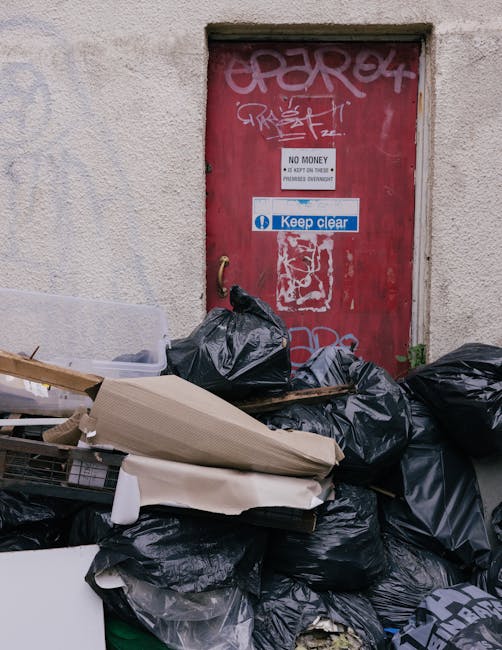
Fast bulk rubbish clearance Gray s Inn Road flats Holborn

If you live in a flat near Gray's Inn Road, you already know the drill: narrow stairwells, shared entrances, awkward parking, and rubbish that seems to multiply the minute you start clearing a room. Fast bulk rubbish clearance Gray s Inn Road flats Holborn is not just about moving unwanted items out quickly. It is about doing it safely, keeping neighbours happy, and getting your space back without turning the hallway into a mini building site.
Whether you are dealing with old furniture, broken white goods, end-of-tenancy clutter, office leftovers, or a flat that has simply got away from you a bit, the right approach makes all the difference. In this guide, we will walk through how fast clearance works in practice, when it makes sense, what to watch out for, and how to choose the most sensible option for a Holborn flat.
Truth be told, the difference between a smooth clearance and a stressful one is often just planning. A little structure up front saves a lot of faff later.
- Why fast bulk rubbish clearance matters in Holborn flats
- How the clearance process works
- Key benefits and practical advantages
- Who needs this service and when it makes sense
- Step-by-step guidance
- Expert tips for better results
- Common mistakes to avoid
- Tools, resources and recommendations
- Law, compliance, standards and best practice
- Options, methods and comparison table
- Case study or real-world example
- Practical checklist
- Conclusion
- Frequently asked questions
Why Fast bulk rubbish clearance Gray s Inn Road flats Holborn Matters
Flat clearance in central London is rarely as simple as carrying items from A to B. On Gray's Inn Road and the surrounding Holborn streets, space is tight, loading can be tricky, and building layouts are often less forgiving than people expect. A bulky sofa or a stack of old office chairs can block a hallway fast, and nobody wants a pile-up by the lift on a weekday morning.
Fast bulk rubbish clearance Gray s Inn Road flats Holborn matters because delays create knock-on problems. The longer unwanted items sit around, the more likely they are to become a safety issue, a neighbour complaint, or a missed deadline for moving out. If you are a tenant, that can affect your deposit. If you are a landlord or agent, it can slow re-letting. If you are simply trying to reclaim a room, it can drag out the stress for days.
There is also the practical side. Flat residents often do not have the luxury of a driveway, garden access, or a ground-floor exit. You may be dealing with narrow staircases, shared corridors, and awkward item handling. Fast clearance is useful because it reduces disruption. Less time on site usually means less mess, less noise, and fewer chances for the job to sprawl into the next day.
Expert summary: In a dense area like Holborn, speed is valuable, but only if it is paired with proper handling, careful access planning, and responsible disposal. Fast should still be tidy.
And let's face it, nobody wants a one-bed flat to smell like old cardboard, damp timber, and forgotten flat-pack parts for another week.
How Fast bulk rubbish clearance Gray s Inn Road flats Holborn Works
Most efficient rubbish clearance jobs follow a similar pattern, even if the details vary. A good provider will usually start by understanding what needs removing, how much there is, and whether the property presents access restrictions. In flats, those access details matter more than people realise. A first-floor walk-up is one thing; a tight staircase with a no-parking loading bay is another altogether.
In practice, the process usually looks like this:
- Initial enquiry and item description. You explain what needs clearing, roughly how much there is, and where it is located in the flat.
- Access check. The team considers stairs, lifts, parking, resident permits, building rules, and whether the items can be removed safely without disruption.
- Quote or estimate. A clear price is discussed based on volume, item type, labour, and any special handling requirements.
- Arrival and assessment. On the day, the crew confirms the load and plans the safest route out of the property.
- Loading and segregation. Reusable items, recyclables, and general waste are separated where possible.
- Removal and disposal. Items are taken away for appropriate processing rather than simply dumped somewhere convenient. That part matters a lot.
For flats, speed depends on preparation as much as manpower. If items are already grouped and pathways are clear, the job tends to go smoothly. If everything is scattered across rooms, cupboards, and balconies, it still can be done quickly, but the crew spends longer sorting before the lifting even begins.
One small but important point: bulk rubbish clearance is not the same as a casual throw-out. A professional service should be able to handle mixed loads sensibly, including furniture clearance, general household junk, cardboard, and some bulky items that are too awkward for normal household bins. If you need a broader property clear-out, services such as flat clearance or home clearance may be more suitable depending on the scale of the job.
Key Benefits and Practical Advantages
Fast clearance is not just a convenience. In a Holborn flat, it can solve several problems at once.
1. It reduces stress quickly
When a flat is crowded with bulky waste, the space feels smaller, noisier, and more chaotic. Clearing it promptly gives you breathing room. You notice it the moment the first large item goes. Suddenly, a room feels like a room again.
2. It helps you meet deadlines
Move-out dates, refurbishment schedules, inventory inspections, and landlord handovers do not always wait for your ideal timing. A quick clearance can save you from last-minute panic. That is especially helpful if a weekend is your only free slot and you need the place ready by Monday morning.
3. It is often easier than piecing it together yourself
People often underestimate the hidden work in bulky waste removal: lifting, sorting, carrying, parking, loading, and disposal. Doing that alone in a flat can be exhausting. A good clearance team can get it done in one visit rather than a string of car trips and bin-station runs.
4. It supports tidier recycling outcomes
When items are handled properly, some materials can be diverted away from landfill or general waste streams. If sustainability matters to you, this is one of the cleaner ways to clear out a flat. You can also read more about responsible disposal through recycling and sustainability practices.
5. It is friendlier to neighbours and building management
Less time in shared spaces means less disruption. That can matter in apartment buildings where residents notice everything: a blocked landing, a propped-open fire door, or the sound of furniture scraping at 8 a.m. Not ideal. Not ideal at all.
| Benefit | What it means in a Gray's Inn Road flat | Why it matters |
|---|---|---|
| Speed | Items are removed in one planned visit | Less disruption and faster room recovery |
| Access management | Stairs, lifts, and hallways are handled carefully | Reduces damage and avoids neighbour complaints |
| Sorting and disposal | Waste streams are separated where possible | Better compliance and better environmental practice |
| Convenience | You avoid multiple trips and heavy lifting | Saves time and physical effort |
Who This Is For and When It Makes Sense
This service is useful for more people than you might think. The obvious cases are end-of-tenancy clear-outs and moving house, but there are plenty of others.
- Tenants who need to clear bulky items before inspection or checkout.
- Landlords and letting agents preparing a flat for cleaning, photography, or new occupants.
- Homeowners dealing with accumulated furniture, packaging, or broken household items.
- Students or sharers leaving a flat with more stuff than the lift can sensibly handle.
- Remote workers who have turned one room into a storage zone over time. It happens. More than people admit, really.
- Anyone doing light refurbishments who needs old fixtures, packaging, and bulky waste out quickly.
It makes sense when the items are too large for ordinary bin collections, when time is limited, or when access is awkward enough that you would rather have experienced help. It also makes sense if you are dealing with a flat that has become cluttered enough to affect day-to-day living. Sometimes the job is emotional as much as practical. Clearing a flat after a change in circumstances can be tiring in a way that is hard to explain unless you have done it.
If the waste is mainly old furniture, you may also find a dedicated furniture clearance option useful. If the job involves mixed domestic clutter, house clearance can be the better fit, even for a flat, if the volume is substantial.
Step-by-Step Guidance
If you want the process to stay smooth, it helps to approach it like a short project rather than a last-minute scramble. Here is the cleanest way to do it.
Step 1: Make a rough inventory
Walk through the flat and list the items to be removed. Be honest about volume. One mattress and a chair is not the same as a full room of old furniture, bags, and broken shelving. A quick phone photo set can help a provider judge the work more accurately.
Step 2: Separate obvious categories
Put bulky furniture together, gather loose bags in one place, and keep anything sharp or fragile identifiable. This speeds up loading and reduces handling issues. If there are boxes of paper, flat-pack packaging, or small mixed items, set them aside so they do not disappear into the wrong pile.
Step 3: Check access details
Think about parking, loading times, lift availability, and building restrictions. Gray's Inn Road and nearby streets can be busy, so the practical details matter. If there is a concierge or estate manager, tell them in advance. A quick heads-up can save a lot of awkwardness on the day.
Step 4: Choose the right type of removal
Not every job needs the same solution. A few items may suit standard rubbish removal, while larger mixed loads may need a more complete clearance service. If you are unsure, ask for guidance rather than guessing. Better to clarify now than discover halfway through that the job needs a different setup.
Step 5: Confirm what is and is not included
Ask about labour, stair carries, heavy items, disposal fees, and whether recycling is part of the service. Good quotes are clear about what you are paying for. Vague quotes often become annoying quotes later. Nobody likes that.
Step 6: Prepare the flat before arrival
Clear a path to the items, protect delicate flooring if needed, and keep pets or children away from the work area. If you can unplug appliances or empty drawers in advance, do it. Small prep makes a noticeable difference.
Step 7: Do a final walk-through afterwards
Check cupboards, balcony corners, and behind doors. Flats collect surprises in funny places. The back of a wardrobe, for example, can hide all sorts of forgotten things. Once the main clutter is gone, it becomes easier to spot anything left behind.
Expert Tips for Better Results
Here are the small details that tend to make the biggest difference in fast bulk rubbish clearance Gray s Inn Road flats Holborn.
- Book early in the day if possible. Morning slots often work better for loading, parking, and avoiding the worst of the street traffic.
- Group items by room. Even a rough grouping helps the crew move faster and reduces back-and-forth.
- Be realistic about lift size. Some bulky furniture simply will not fit safely, and forcing it is rarely worth the risk.
- Keep valuables and personal paperwork separate. It sounds obvious, but under pressure people do forget. Very human thing.
- Ask about recyclable materials. If you have cardboard, metal, or reusable furniture, separating it can improve the overall outcome.
- Plan around neighbours. A weekday lunchtime slot can be easier than an early morning or late evening move in a shared block.
One practical trick: take a quick video of the flat before the clearance. Not for drama. Just for clarity. It helps if you need to remember where items were, or if you want to compare before and after. And yes, the after shot is usually the satisfying one.
If you are dealing with a lot of packaging after a move or delivery day, this can be easier if the cardboard is flattened and bundled. For apartment dwellers, our advice on cardboard and packaging disposal is especially handy.
Common Mistakes to Avoid
Most clearance headaches come from a handful of avoidable mistakes. The good news? They are easy to spot once you know what to look for.
Underestimating volume
A few bulky items can look manageable until you add bags, small furniture, and awkward oddments. Then the job balloons. Always assume the load is slightly bigger than it first appears.
Forgetting about access
If there is no parking nearby, a clearance van cannot magically hover at the front door. Check loading restrictions, building rules, lift access, and the time window available. It sounds basic, but it saves real trouble.
Mixing keep and remove piles
Do not leave your important things mixed in with rubbish. It is a painfully easy mistake when you are clearing in a rush. Keep a separate corner for items to keep, donate, or sell.
Choosing only on price
Cheap can be fine. Cheap and vague is where the pain starts. The lowest quote is not always the best if it does not cover stairs, heavy lifting, or disposal properly.
Leaving it too late
End-of-tenancy jobs, refurb plans, and inspections often arrive faster than expected. If you leave the clearance until the last minute, your choices narrow quickly. Not a great feeling, that one.
Ignoring disposal standards
Bulky items should be handled through proper waste channels. If a provider cannot explain how disposal is managed, that is a warning sign. You do not want your old sofa becoming someone else's fly-tipped problem.
Tools, Resources and Recommendations
You do not need a van-load of equipment to prepare for a bulk clearance, but a few simple tools help a lot.
- Strong bin bags for lighter loose waste and soft contents.
- Marker pens and sticky labels to mark keep, remove, recycle, or donate piles.
- Work gloves for sorting sharp edges, dusty items, or broken packaging.
- Measuring tape if you are unsure whether larger furniture will fit through a route.
- Phone camera for a quick inventory and before-and-after record.
- Trolley or furniture sliders only if you are moving items safely and know what you are doing.
For many readers, the best resource is simply a service provider that can explain the job clearly. Look for practical pricing guidance such as pricing and quotes, and check company information like about us if you want to understand who you are dealing with. If safety and insurance are a concern - and in flats they usually should be - the page on insurance and safety is worth reading too.
A simple recommendation: ask one question that matters more than most people think. "How will you handle the access to my flat?" If the answer is confident and specific, that is a good sign. If it is vague, keep looking.
Law, Compliance, Standards, or Best Practice
Clearance work in London should be handled responsibly. You do not need to become a waste-law expert to arrange a flat clearance, but a few principles are worth keeping in mind.
First, waste should be removed by a legitimate carrier and taken to appropriate disposal or recycling facilities. That is not just a paperwork issue. It is about avoiding illegal dumping and making sure your items do not end up somewhere they should not. If you have ever seen a mattress dumped beside a side street bin, you already know why this matters.
Second, building rules matter. Many flats have shared entrances, fire doors, concierge arrangements, loading windows, or noise sensitivities. Good practice means respecting those limits, keeping routes clear, and avoiding damage to walls, lifts, or communal flooring.
Third, health and safety should be part of the job, not an afterthought. Heavy lifting, awkward stairs, dust, sharp edges, and unstable loads all create risk. A responsible operator should take those risks seriously. If you want more detail on that side, the pages on health and safety policy and insurance and safety are useful reference points.
Finally, best practice includes recycling where possible and keeping the job honest. If a service claims to recycle, it should be able to do so in a sensible, transparent way. You do not need a lecture. You do need reassurance that the job will be done properly. Fair enough, really.
For general waste-related guidance in the Holborn area, these related articles can also help shape expectations and reduce surprises: Kingsway and Gray's Inn Road rubbish tips for Holborn flats, common rubbish removal mistakes near Holborn station, and real cost guidance for Holborn rubbish removal.
Options, Methods, or Comparison Table
People usually compare three approaches: doing it themselves, booking a bulk waste service, or arranging a full clearance. The right choice depends on volume, access, timing, and how much heavy lifting you are willing to take on.
| Option | Best for | Pros | Watch-outs |
|---|---|---|---|
| DIY removal | Very small loads and flexible timing | Can be cheaper if you already have transport | Time-consuming, heavy lifting, multiple trips |
| Bulk rubbish clearance | Furniture, mixed bulky waste, urgent flat jobs | Fast, convenient, minimal disruption | Needs clear access and accurate item details |
| Full flat clearance | Large clear-outs, end-of-tenancy, estate or move-out jobs | Most comprehensive solution | More planning, usually wider scope |
There is no one-size-fits-all answer. A single mattress does not justify a dramatic clear-out. But a flat full of mixed furniture, bags, and loose items? That is where professional help usually pays for itself in time and sanity.
For some situations, especially where the load includes unused furniture, furniture disposal or waste removal may fit better than a broader clearance package. If you are clearing business premises or a home office in the area, office clearance and business waste removal can be more relevant.
Case Study or Real-World Example
Here is a realistic example from the kind of job people often face around Gray's Inn Road.
A tenant in a third-floor flat had two wardrobes, a broken desk, several bags of mixed household waste, packaging from a recent delivery, and a sofa that no longer fit the room after a layout change. The flat was in a busy block, with a narrow stairwell and a short parking window outside. The main risk was not the quantity alone, but the access. One blocked landing and everyone on the floor would feel it.
The job went smoothly because the tenant sorted items into clear groups before the crew arrived, informed the building manager in advance, and made sure the route from the flat to the street was free. The clearance team loaded the items in one visit, separated reusable and recyclable materials where appropriate, and left the space ready for cleaning later that day.
The lesson is simple. Speed is rarely just about speed. It comes from preparation, clear communication, and a service that understands flat access. A little organisation goes a long way. Sometimes that is the whole story.
In situations like this, people often also compare service styles and local availability. If you are weighing your options, a helpful follow-up read is comparing Holborn rubbish removal quotes, especially when you want the job done without endless back-and-forth.
Practical Checklist
Use this before booking or on the morning of the clearance. It keeps the job tidy and avoids the usual surprises.
- List all bulky items to be removed.
- Take photos of the main load if helpful.
- Check lift access, stair access, and parking restrictions.
- Warn the concierge or building manager if needed.
- Separate items you want to keep.
- Set aside anything sensitive, valuable, or personal.
- Ask what the quote includes and whether heavy items affect the price.
- Confirm the timing and expected arrival window.
- Clear a path through the flat where possible.
- Do a final sweep of cupboards, balconies, and hidden corners afterwards.
Quick takeaway: The better the prep, the faster the clearance. That simple. And if you need the job completed quickly because of a move, inspection, or renovation schedule, good preparation can be the difference between a neat one-visit job and a day that drags on.
Conclusion
Fast bulk rubbish clearance Gray s Inn Road flats Holborn is really about restoring order without creating more hassle. In a busy part of London, that means planning access properly, choosing the right removal method, and working with a team that understands flat living as well as waste removal. When those pieces line up, the result is straightforward: less clutter, less stress, and a flat that feels manageable again.
If you are facing a tight deadline, a crowded flat, or a bulky load that just cannot wait, take the time to get the basics right. The smoother the setup, the better the outcome. And honestly, there is a quiet relief in seeing a room open back up after all that heavy stuff has gone.
Get a free quote today and see how much you can save.
Sometimes the quickest way forward is simply to start. One clear decision, one cleared room, and suddenly the whole place feels lighter.
Frequently Asked Questions
How fast can bulk rubbish be cleared from a flat near Gray's Inn Road?
It depends on access, item volume, and timing, but many flat clearances can be completed in a single visit if the load is prepared well. Morning slots often help if parking and access are tight.
What kinds of items count as bulk rubbish in a flat?
Typical items include sofas, wardrobes, desks, mattresses, broken furniture, bags of mixed clutter, packaging, and other awkward household items that are too large for normal bins.
Can bulky items be removed from upper-floor flats without a lift?
Yes, usually, provided the staircase is accessible and the items can be moved safely. The key is to mention the stairs in advance so the crew can plan properly.
Is same-day clearance possible in Holborn?
Sometimes, yes. Same-day service depends on availability and the size of the job. If the clearance is urgent, give the item details clearly and ask about the earliest time slot.
How should I prepare my flat before the clearance team arrives?
Group items together, keep valuables separate, clear a path where possible, and tell the building manager if access or parking needs to be arranged. A little prep makes the job much quicker.
Will the team take apart furniture if needed?
Some teams can dismantle simple items, but it is best to check first. If disassembly is needed, mention it when requesting the quote so there are no surprises on the day.
What happens to the waste after it is collected?
Responsible providers should take it to appropriate disposal or recycling facilities and separate materials where possible. If recycling matters to you, ask how the items are handled.
How do I know if I need flat clearance rather than general rubbish removal?
If the job involves multiple rooms, several item types, or a larger volume of contents, flat clearance is usually the better fit. If it is just a small, mixed load, bulk rubbish removal may be enough.
Can I book rubbish clearance if I am a tenant at the end of a tenancy?
Yes, and it is a common reason people book the service. It can help you meet checkout expectations, clear bulky items quickly, and avoid delays before final cleaning.
Are there any items that need special handling?
Yes. Some items, such as electrical appliances, sharp objects, or heavily soiled materials, may need particular handling. Always mention them in advance so the provider can advise properly.
How much information should I give when asking for a quote?
As much as you reasonably can: item types, rough volume, access details, floor level, and parking limitations. Better information usually leads to a more accurate quote.
What if I only have a few bulky items, not a whole flatful?
That is still worth arranging if the items are awkward, heavy, or impossible to move yourself. A small job can still save a lot of time and effort, especially in a flat with stairs or limited access.